
Forensics: Crime Scene Detective — Fingerprint Analysis Guide
How to find, develop, and lift fingerprints in Forensics: Crime Scene Detective using UV lighting, powder, and fuming techniques.
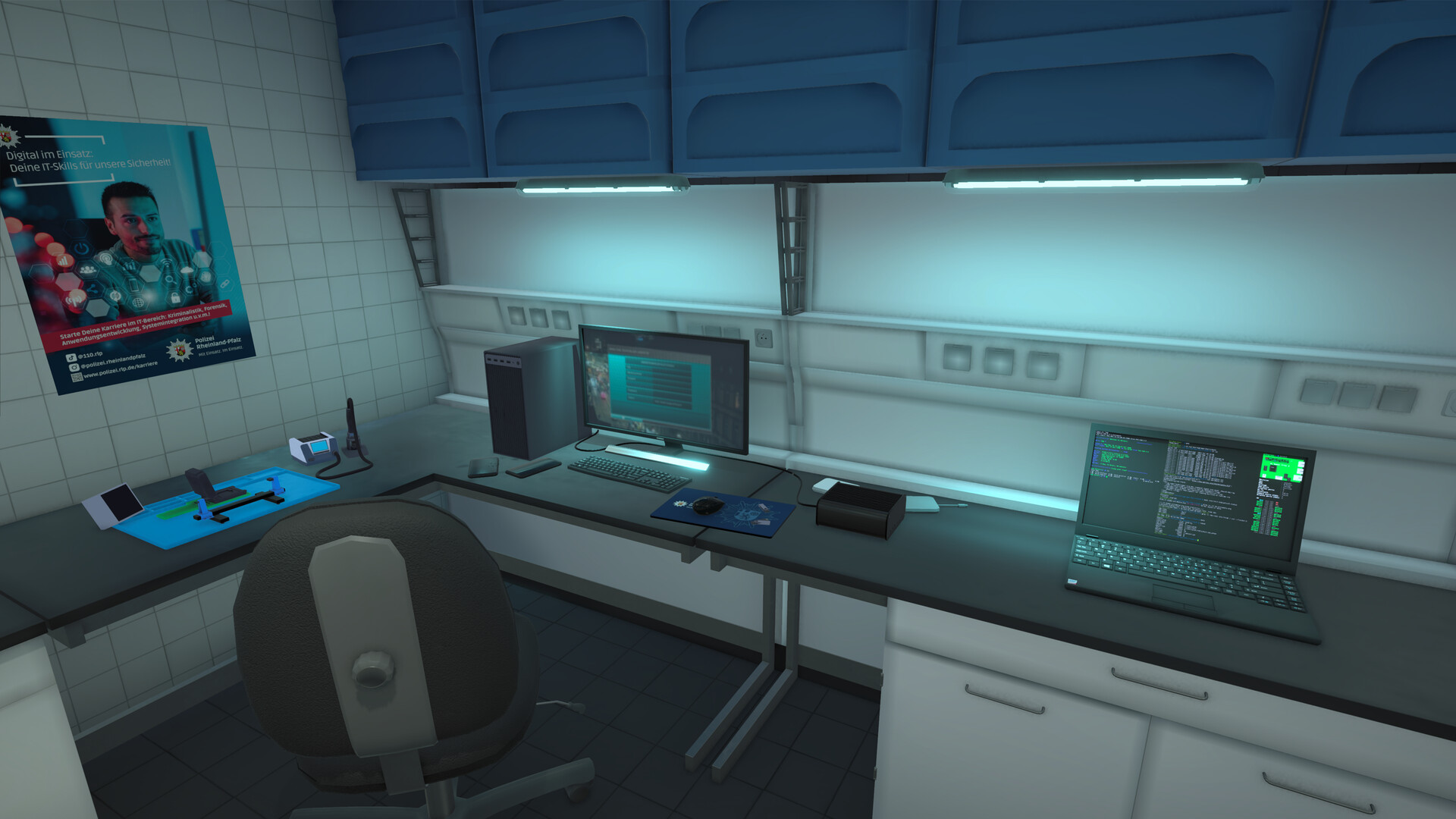
Fingerprints in Forensics: Crime Scene Detective are not automatic — you must set up lighting, find latent prints on reflective surfaces, dust them, photograph them, and lift them with adhesive tape. This guide covers the complete process from crime scene discovery to laboratory comparison.
Finding Latent Prints at the Scene
- Set up forensic lighting equipment with the tripod.
- Adjust the UV flashlight angle slowly across reflective surfaces.
- Check door handles, coffee mugs, glass bottles, windows, and countertops.
- When a print becomes visible, place an evidence marker beside it.
- Photograph the print with lighting still active.
Dusting and Lifting
- Apply fingerprint powder to the developed print area.
- Use lifting tape to secure the print onto a collection card.
- Package the lifted print in a fingerprint evidence container.
- Transport to the lab for grid comparison analysis.
Forensics: Crime Scene Detective developer interview — fingerprint demonstration

Superglue Fuming in the Laboratory
For evidence that cannot be processed at the scene, use the superglue fuming chamber in the lab. Place collected samples inside, start the fuming process, and wait for completion. Developed prints can then be compared against the fingerprint database to identify or clear suspects.
Laboratory Comparison
At the fingerprint examination station, select a grid section and compare recovered prints against all persons of interest. A match places a suspect at the scene. A non-match clears them. Both outcomes are equally important for building an accurate case.
Tip: Ordinary objects like coffee mugs and door handles often hold the strongest fingerprint evidence. Players who ignore mundane items frequently miss critical connections.
Frequently Asked Questions
Why can I not see any fingerprints?
You likely need to adjust the UV light angle. Move the flashlight slowly across reflective surfaces until latent prints appear. Prints are deliberately hidden and require proper lighting setup.
What is the difference between dusting and fuming?
Dusting is done at the scene on visible prints with powder and lifting tape. Fuming uses the lab chamber to develop prints on evidence collected from the scene.
Can fingerprints alone convict a suspect?
Fingerprints place someone at a scene but must be combined with DNA, digital evidence, and timeline data for a complete case.
Related Pages
Getting Started
First-day tips for new players after launch.
Evidence Collection
The mark-photograph-inspect-collect workflow.
DNA Analysis
Biological sample collection and lab comparison.
Digital Forensics
Device imaging, decryption, and chip extraction.
Ballistics
Trajectory reconstruction and projectile analysis.
Case Rating Tips
How to earn S ratings and avoid undiscovered leads.
Demo Guide
How to play the free Steam demo.
Tips & Tricks
Post-launch community strategies and workflow shortcuts.
Steam Deck Guide
Portable play settings and performance tips.