
Forensics: Crime Scene Detective — DNA Analysis Guide
How to collect and analyze DNA evidence in Forensics: Crime Scene Detective including blood detection and skin cell comparison.
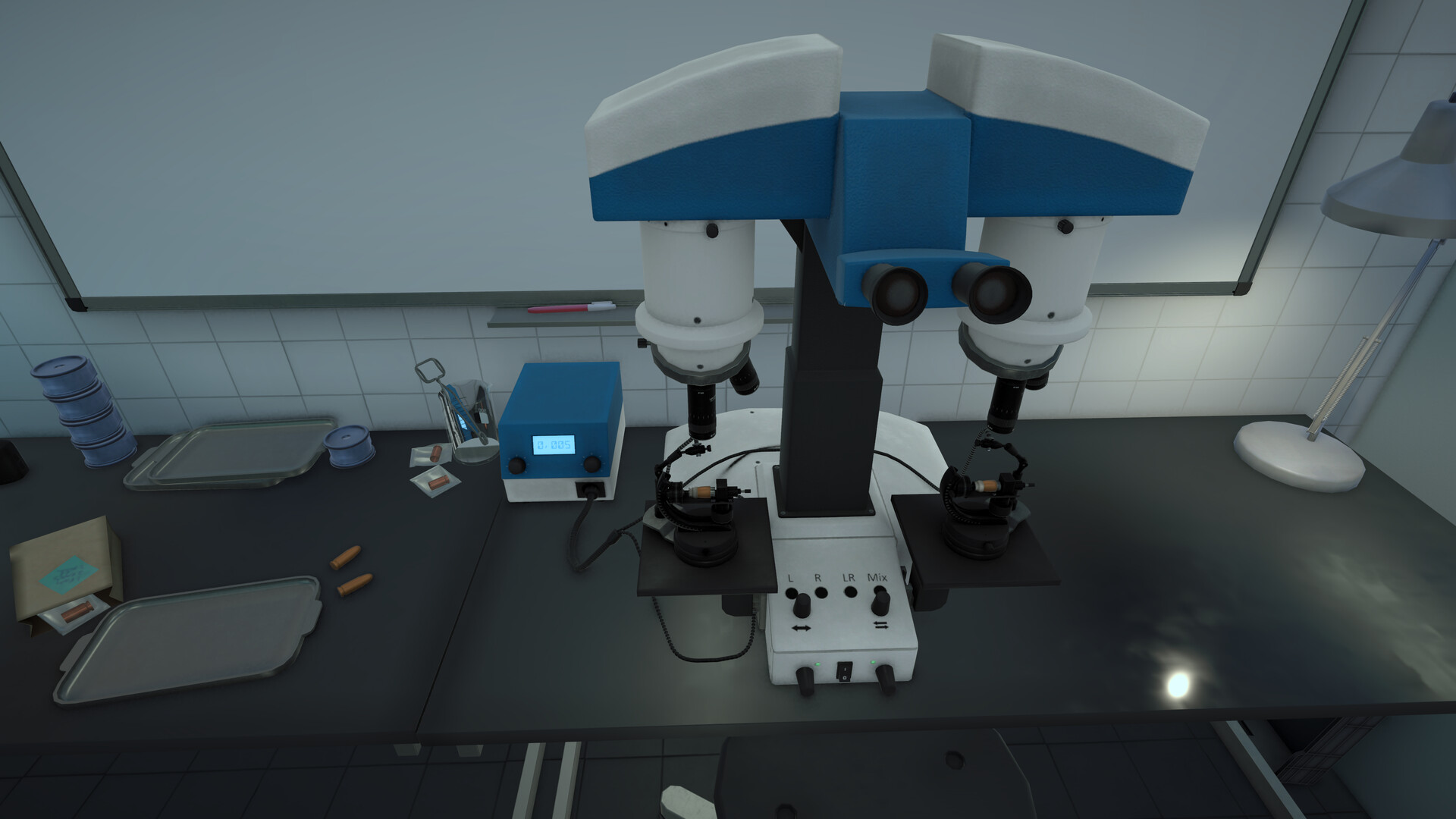
DNA evidence is among the strongest forensic proof in Forensics: Crime Scene Detective. Blood traces, skin cells, and biological samples collected at crime scenes can be compared against victim profiles and suspect databases in the laboratory. This guide covers collection, detection, and analysis.
Finding Biological Evidence
- Use chemical detection spray on areas that look suspiciously clean.
- Blood may have been wiped away but still leaves trace evidence.
- Visible blood on weapons and surfaces should be swabbed after documentation.
- Skin cells transfer when objects are handled — test murder weapons for secondary DNA.
Collection Procedure
- Place evidence marker next to the biological trace.
- Photograph the area with marker visible.
- Use sterile swabs to collect the sample.
- Package in appropriate biological evidence containers.
- Label and barcode the container for chain of custody.
Forensics: Crime Scene Detective — laboratory DNA analysis

Laboratory DNA Analysis
At the DNA workstation, run primary analysis to identify whose biological material is present. When available, run secondary analysis for additional skin cell comparison. In Case 1, the paperweight shows victim blood in primary analysis and suspect skin cells in secondary analysis — both results are needed for a complete picture.
Interpreting Results
| Result | Meaning | Action |
|---|---|---|
| Victim DNA on weapon | Victim contact with object | Confirm as murder weapon evidence |
| Suspect skin cells | Suspect handled the object | Connect suspect to weapon |
| Unknown profile | Unidentified person contact | Expand suspect list |
| No match | Profile not in database | Submit for further investigation |
Frequently Asked Questions
How do I find blood that was cleaned up?
Use chemical detection spray on floors, walls, and furniture. Invisible blood traces appear under the spray and can be swabbed for DNA analysis.
What is secondary DNA analysis?
After confirming primary DNA identity, secondary analysis detects additional skin cell profiles from other individuals who handled the object.
Do I need DNA for every case?
Not every case requires DNA, but biological evidence often provides the strongest links between suspects and weapons or locations.
Related Pages
Getting Started
First-day tips for new players after launch.
Evidence Collection
The mark-photograph-inspect-collect workflow.
Fingerprint Analysis
UV lighting, dusting, and lifting techniques.
Digital Forensics
Device imaging, decryption, and chip extraction.
Ballistics
Trajectory reconstruction and projectile analysis.
Case Rating Tips
How to earn S ratings and avoid undiscovered leads.
Demo Guide
How to play the free Steam demo.
Tips & Tricks
Post-launch community strategies and workflow shortcuts.
Steam Deck Guide
Portable play settings and performance tips.