
Forensics: Crime Scene Detective — Evidence Collection Guide
How to collect evidence in Forensics: Crime Scene Detective with the correct mark-photograph-inspect-collect-package workflow.
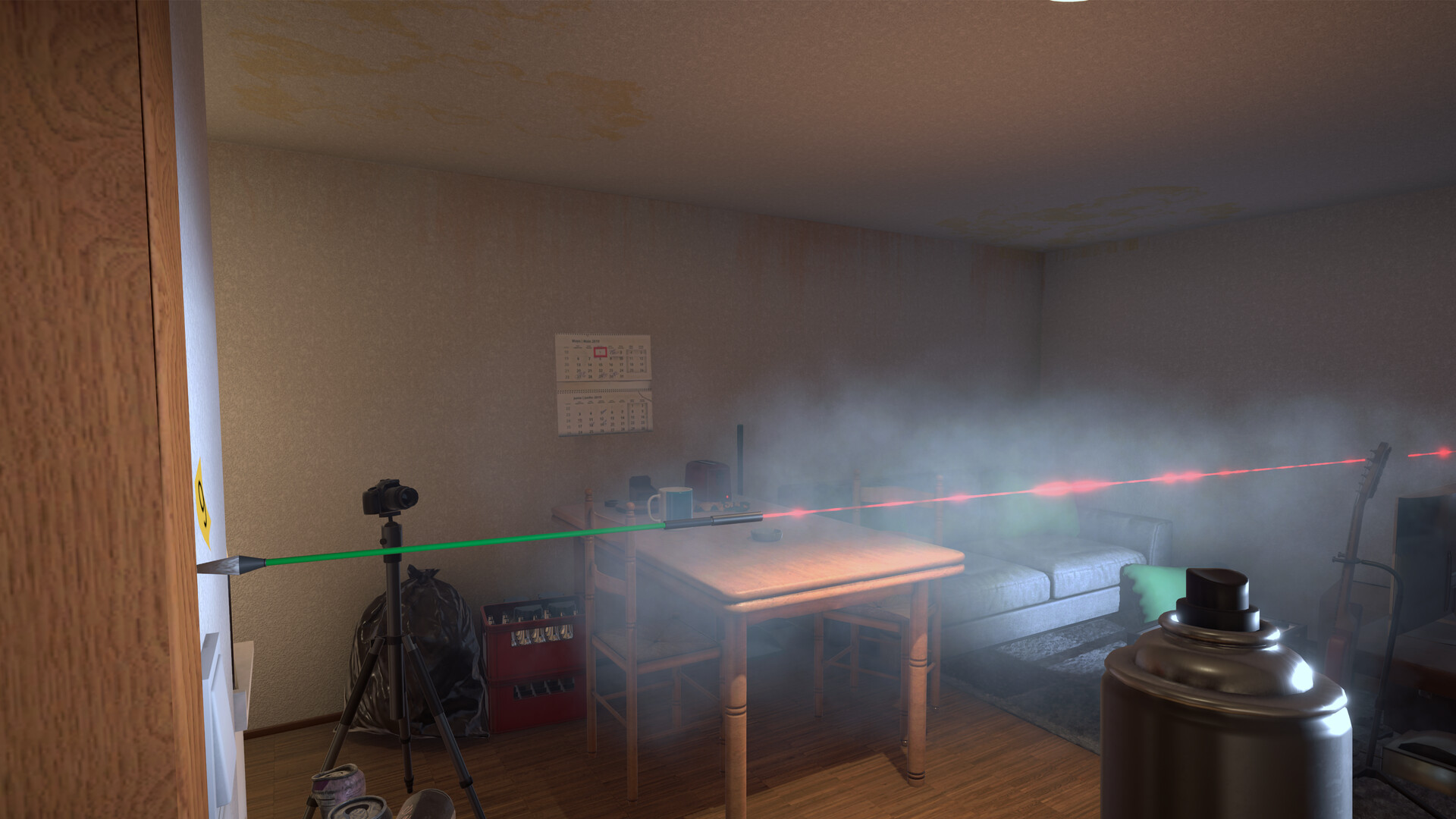
Evidence collection is the foundation of every investigation in Forensics: Crime Scene Detective. The game punishes rushing and rewards disciplined documentation. This guide teaches the exact workflow used by forensic technicians in the field and enforced by the LKA RLP collaboration.
The Five-Step Workflow
- Place an evidence marker — Pick up markers from your tool case. Place one next to every piece of evidence before touching it.
- Take clear photographs — The marker must be visible in every photo. Capture wide shots and close-ups.
- Inspect the object — Look for fingerprints, biological traces, serial numbers, and damage status.
- Collect the evidence — Use correct tools: tweezers, swabs, brushes, or bare hands only when appropriate.
- Package it safely — Place in labeled, barcoded containers matching the evidence type.
Before Entering the Scene
- Read the case briefing and all witness statements (Tab key).
- Note the time of arrival and conditions described in the report.
- Identify your objectives: what evidence types are expected.
- Prepare your tool case with markers, camera, and collection supplies.
Forensics: Crime Scene Detective — evidence documentation gameplay

Searching the Scene Effectively
Move slowly and systematically. Start with obvious evidence, then expand to less visible areas. Search every trash bin — receipts, tissues, handwritten notes, and discarded packaging frequently become critical evidence. Check behind furniture, inside drawers, and under objects. Many environmental items are decorative, but the game rewards thoroughness.
Common Mistakes
- Picking up objects before placing markers and photographing.
- Filling inventory with irrelevant items instead of forensic evidence.
- Leaving the scene before checking all rooms and containers.
- Forgetting to photograph electronic devices before removal.
- Not using chemical detection spray on suspiciously clean areas.
Returning to the Lab
Press E or H to travel back to the LKA laboratory. Submit evidence via the email system for colleague evaluation. Process items at appropriate workstations before attempting to close the case. See our Evidence Types guide for packaging requirements per category.
Frequently Asked Questions
What happens if I collect evidence without photographing it?
Your case rating drops significantly. The game tracks chain-of-custody compliance, and undocumented collection is treated as a procedural error.
How do I know what to collect?
Look for fingerprints, biological traces, digital devices, bullet damage, or objects connected to witness statements. Yellow hints in tutorials guide you; later cases require independent observation.
Can I return to the crime scene after leaving?
Yes, but undiscovered leads at case close indicate missed evidence. Returning is allowed but impacts your final rating.
Related Pages
Getting Started
First-day tips for new players after launch.
Fingerprint Analysis
UV lighting, dusting, and lifting techniques.
DNA Analysis
Biological sample collection and lab comparison.
Digital Forensics
Device imaging, decryption, and chip extraction.
Ballistics
Trajectory reconstruction and projectile analysis.
Case Rating Tips
How to earn S ratings and avoid undiscovered leads.
Demo Guide
How to play the free Steam demo.
Tips & Tricks
Post-launch community strategies and workflow shortcuts.
Steam Deck Guide
Portable play settings and performance tips.